Category Archives: English

Page 11 of 23
1 5 6 7 8 9 10 11 12 13 14 15 16 17 23
3071

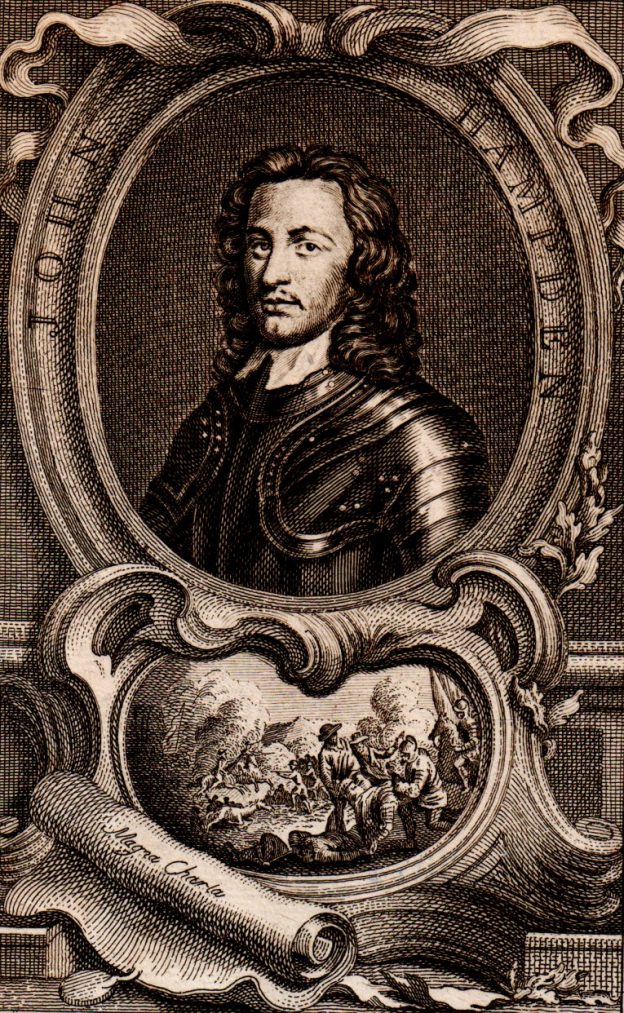
John Hampden 1594-1643

Central figures at the start of the English Revolution. He entered Parliament as an MP in 1621, eight years before Charles I dissolved Parliament. Ship Money was a tax sometimes levied on coastal towns in wartime to pay for ships to protect the country from invasion. Charles, no longer receiving money from Parliament, in 1635 extended the Ship Money tax to include inland towns and counties. This attempt to create a new form of taxation without parliamentary sanction was resisted by Hampden, who refused to pay the levy. The king was unable to collect Ship Money, and was forced to recall Parliament in 1640. Hampden was one of the five MPs selected by Charles I for impeachment in 1642.

Artist: Jacobus Houbraken

Size 16 x 10 cms

Price £10.00

Ref:3071

3066

James Wolfe 1727-1759 General

General James Wolfe led the British attack on Quebec that ended French rule in Canada in 1759. He discovered a steep, unguarded path which enabled him to land his troops unobserved, however, Wolfe would never actually enter the city as he died the following day from his battle wounds. The importance of the conquest and his death, in the hour of victory, made Wolfe the eighteenth-century’s most moving tragic hero.

Artist: unknown

Size 17 x 10 cms

Price £12.00

Ref:3066

3064

Philip Dormer Stanhope, 4th Earl of Chesterfield 1694-1773

British statesman, diplomat, man of letters, and an acclaimed wit of his time. He was born in London to Philip Stanhope, 3rd Earl of Chesterfield, and Lady Elizabeth Savile, and known as Lord Stanhope until the death of his father, in 1726.

Artist: William Hoare Size 15 x 10 cms

Price £10.00

Ref:3064

3059

Francis Bacon, 1561-1626. Lord Chancellor

Francis Bacon, 1st Viscount St Alban, PC QC was an English philosopher and statesman who served as Attorney General and as Lord Chancellor of England. His works are credited with developing the scientific method and remained influential through the scientific revolution. Bacon has been called the father of empiricism.

Artist: Jacobus Houbraken

Size 16 x 10 cms

Price £10.00

Ref:3059

3061

Alexander Pope 1688-1744

Pope was first noticed by Jacob Tonson who published his Pastorals in 1709. With The Rape of the Lock 1712, and his translations of Homer, Pope became the most formidable literary figure of his day, with a large circle of friends and enemies. Primarily a satirical poet and of unsurpassed metrical skill, he wrote ‘what oft was thought, but ne’er so well expressed’. A friend of Swift & Lady Mary Wortley Montagu, and famous in the history of landscape gardening for the grounds of his villa at Twickenham, he was revered as one of the great personalities of the age.

Artist: Charles Grignion,

Size 16 x 10 cms

Price £10.00


Ref:3061

3056

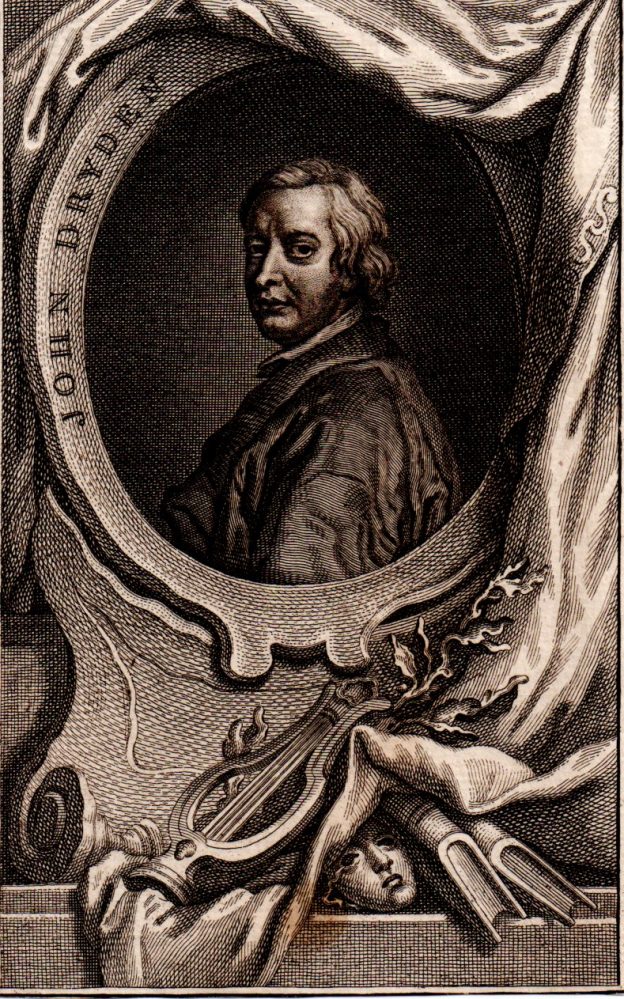
John Dryden 1631-1700 Dramatist and Poet Laureate

Dryden was appointed Poet Laureate by Charles II in 1668. He wrote over twenty plays, including All for Love (1678), and numerous poems, particularly political satires, such as ‘Absalom and Achitophel’ (1681), and odes, including the famous ‘Ode for St Cecilia’s Day’. In 1686 he converted to Roman Catholicism, and at the Revolution of 1688 he was deprived of the laureateship. He devoted the rest of his life largely to translations, notably a verse translation of the works of Virgil.

Artist: Sir Godfrey Kneller,

Size 16 x 10 cms

Price £10.00


Ref:3056

Page 11 of 23
1 5 6 7 8 9 10 11 12 13 14 15 16 17 23